
November 15, 2026
The Great Gallery Shakeout: Why Traditional Art Galleries Are Closing—And What Makes Modern Galleries Thrive
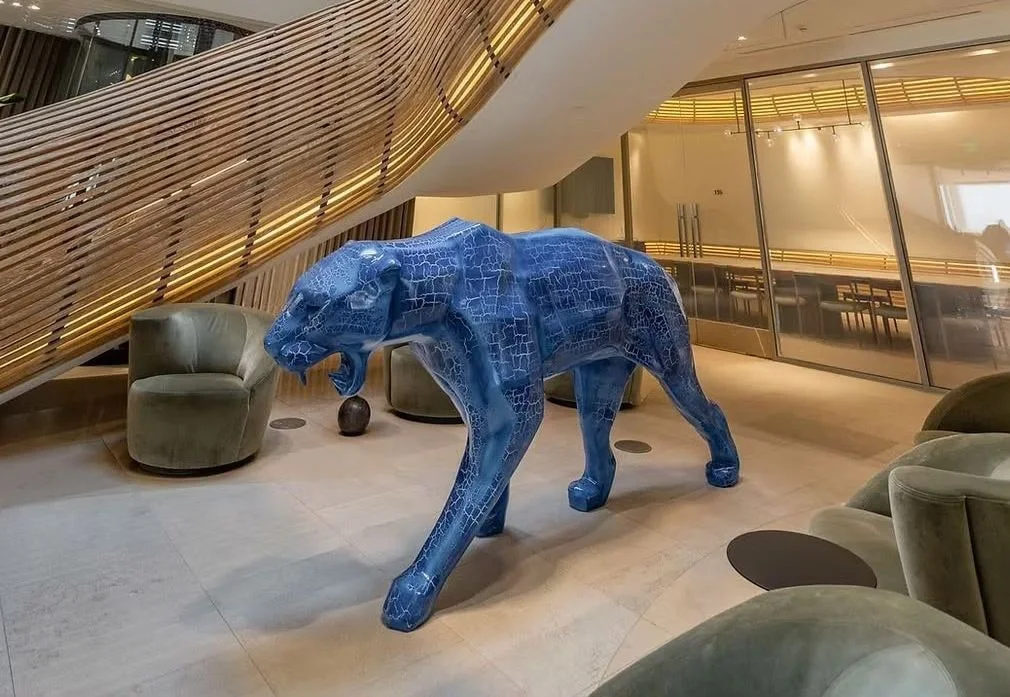
Over the past few years, the contemporary art world has witnessed a striking paradox: while artists are returning to physical representation after the social media boom, dozens of traditional brick-and-mortar galleries have closed their doors. Here is why the old gallery model is failing—and how modern, client-centric galleries are redefining success.
If you follow contemporary art market trends, the headlines can seem contradictory. On one hand, artists who once relied solely on Instagram are actively seeking gallery representation again. On the other, even well-known galleries in New York, London, and Paris have shuttered under financial strain.
The reality is simple: the art world is not witnessing the death of the gallery, but the end of the passive gallery.
For decades, the traditional art gallery operated on a predictable formula—sign a rigid, long-term lease on a white-cube space, hang an exhibition, send out a press release, and wait for collectors to walk through the door. In today’s economic and cultural landscape, that model is broken. Here is why legacy galleries are struggling, and what sets thriving modern galleries apart.
Why Traditional Art Galleries Are Struggling
1. The Unsustainable Cost of the Art Fair Treadmill
For mid-sized galleries, participating in international art fairs—from Miami to Basel and London—was once the primary engine of sales. Today, booth fees, specialized fine art shipping, insurance, and travel expenses easily exceed $30,000 to $150,000 per fair. When collector decision-making slows down, a single underperforming fair can wipe out a gallery’s annual profit margin.
Are Art Fairs Still Worth the Gamble?
With booth fees, international shipping, and travel routinely eating up a third of a gallery’s annual budget, both dealers and artists are questioning the true return on investment of the global fair circuit. While fairs offer unmatched visibility, the financial stakes have never been higher.
Explore our full breakdown of the pros, cons, and economics of art fairs: Are Art Fairs Still Worth It? The Pros, Cons, and Real Cost for Galleries and Artists.
2. Skyrocketing Fixed Overhead and Rigid Leases
Committing to long-term, multi-year commercial leases in hyper-expensive gallery districts creates immense monthly financial pressure. Without consistent, proactive sales pipelines, traditional galleries find themselves trapped by fixed real estate costs while waiting for sporadic foot traffic.
3. The “Middle-Market Squeeze”
The global art market has become increasingly polarized. Mega-galleries operate like multinational corporations with massive marketing budgets, while independent online platforms compete on volume and lower price points. Mid-tier galleries that fail to differentiate their client experience are caught in the middle—bearing the cost of discovering and promoting artists without the infrastructure to retain top collectors.
4. Passive Selling in an Experience-Driven Economy
Today’s affluent buyers no longer want to feel intimidated by silent, aloof gallery spaces where prices are hidden and hospitality is an afterthought. Collectors expect transparency, storytelling, and personalized guidance. Galleries that treat exhibitions like static museums rather than dynamic cultural hubs are losing relevance.
How Modern, Agile Galleries Are Thriving
While passive galleries close, a new generation of agile, relationship-driven galleries is growing by reinventing the modern art gallery business model.
1. Smart Real Estate Agility: Flexible Leases and Strategic Multi-Hubs
Instead of locking into punishing, long-term commercial leases or gambling everything on one-week art fairs, forward-thinking galleries leverage short-term, flexible leases (pop-up and seasonal agreements) on favorable terms. This real estate agility allows galleries to bypass exorbitant overhead, test emerging luxury markets, and activate high-traffic spaces in prime cultural destinations—such as Miami, Dallas, and Southern California—precisely where collectors live, travel, and acquire art.
2. Hospitality and Bespoke Art Advisory
Modern galleries operate as trusted partners for fine art collectors, interior designers, and corporate curators. Thriving spaces prioritize warmth, accessibility, and full-service art advisory services, including:
- Private appointments and intimate collector events that foster genuine community.
- Digital in-situ mockups allowing clients to visualize artworks directly on their own walls before committing.
- White-glove logistics, framing, lighting consultation, and professional installation.
3. Curating Distinctive, Emotionally Resonant Artists
In an era saturated with fleeting digital trends and AI-generated visuals, collectors crave authenticity, craftsmanship, and emotional impact. Successful galleries maintain a focused, cohesive roster of contemporary painters, sculptors, and mixed-media artists whose work commands immediate visual presence while offering long-term market stability.
4. Embracing a True Hybrid Ecosystem
Rather than viewing digital platforms as competitors, agile galleries integrate them seamlessly into their physical strategy. Social media, virtual viewing rooms, and editorial content serve as global discovery tools—as we explored in our analysis on why contemporary artists are returning to art galleries after the Instagram mirage—while the physical gallery delivers the irreplaceable sensory experience that closes major acquisitions.
Frequently Asked Questions About Modern Art Galleries
Why are so many art galleries closing right now?
Most closures stem from rigid, high-cost commercial leases, the rising expense of international art fairs, and an outdated, passive sales model that relies on foot traffic rather than proactive collector relationships and bespoke advisory services.
How do modern art galleries keep overhead sustainable?
Agile galleries bypass exorbitant long-term real estate commitments by utilizing flexible short-term leases and strategic pop-up spaces in key collector hubs, reinvesting those savings into client hospitality, marketing, and bespoke art advisory.
What should collectors look for in a reputable contemporary art gallery?
Collectors should look for galleries with transparent pricing, strong artist representation, a multi-year track record, personalized advisory services (such as in-home visualizations and white-glove installation), and vibrant physical spaces where works can be experienced in person.
Conclusion: Built for the Future of Art Collecting
The shakeout in the gallery sector is ultimately healthy for both artists and collectors. It is clearing away rigid, outdated business models and rewarding galleries that invest in operational agility, human connection, curatorial excellence, and genuine client hospitality.
At Markowicz Fine Art, we believe buying and living with fine art should be inspiring, transparent, and deeply personal. Whether you are building a new collection or acquiring a centerpiece work, our team is dedicated to bridging global contemporary talent with exceptional collector experiences.
Visit Markowicz Fine Art
Experience our curated exhibitions in person at our gallery locations in Miami and Laguna Niguel, or explore available works online at MarkowiczFineArt.com.