
November 15, 2026
Why Contemporary Artists Are Returning to Art Galleries After the Instagram Mirage
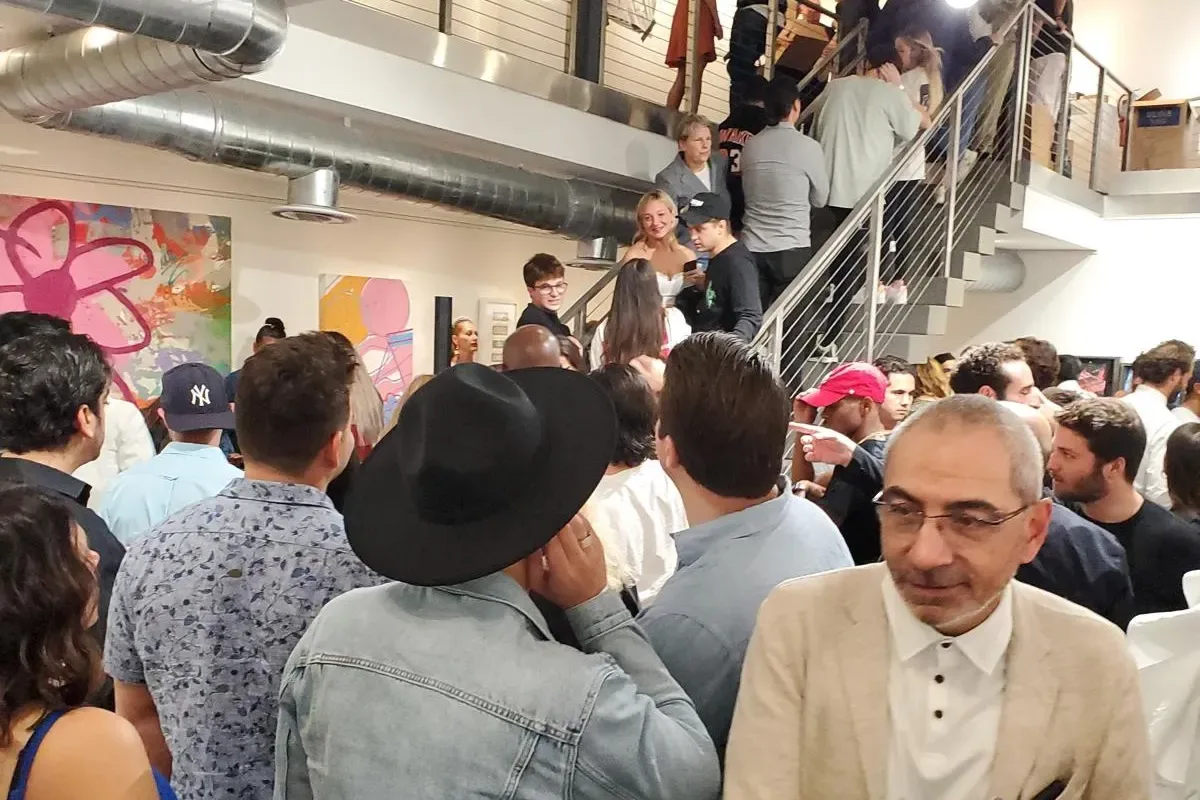
Between 2020 and 2022, the contemporary art market experienced a rapid digital shift. Today, as social media algorithms evolve and fine art collectors prioritize in-person experiences, physical art galleries are reclaiming their indispensable role.
During the height of the pandemic, a compelling narrative swept through the creative world: traditional art gallery representation was becoming obsolete. Locked down at home, buyers scrolled endlessly through their feeds, impulse-buying paintings and prints directly through artists’ DMs. Armed with a smartphone, a studio, and an Instagram account, many emerging and mid-career artists believed they could bypass intermediaries, keep 100% of their sales, and build sustainable global careers entirely on their own.
Fast forward to today, and the contemporary art market has undergone a major correction. As Instagram’s organic reach declines and collector habits mature, artists who once championed total independence are increasingly seeking out established contemporary art galleries—not out of defeat, but out of strategic necessity.
Here is why art gallery representation remains the cornerstone of a lasting artistic career and a trusted experience for fine art collectors.
1. The End of Pandemic-Era Impulse Art Buying
The surge in direct-to-consumer (DTC) online art sales during 2020 and 2021 was an economic anomaly, not a permanent replacement for the physical art world. With international travel, dining, and live cultural events halted, affluent buyers temporarily redirected their disposable income toward decorating their homes from their phones.
Once the world reopened, contemporary art market trends quickly normalized. Serious buyers returned to traveling, attending international art fairs, and experiencing exhibitions in person. Artists who built their entire business models on pandemic-era digital demand suddenly faced a sharp contraction in direct online inquiries.
2. Instagram’s Algorithm Shift: Entertainment Over Fine Art Discovery
Instagram is no longer the static visual portfolio platform it was a decade ago. Under intense competition from short-form video platforms, its algorithm now prioritizes rapid-fire, entertainment-driven Reels over photography and loyal follower feeds.
Fine art—by its very nature—demands stillness, contemplation, and nuance. Many painters and sculptors found themselves trapped on an exhausting “content treadmill,” spending more hours filming trendy studio timelapses than developing their craft. Worse, declining organic reach means that even artists with tens of thousands of followers can no longer rely on collectors seeing their new work without paying for advertising.
3. The Price Ceiling of Selling Fine Art Online Independently
While social media remains effective for selling limited-edition prints, merchandise, or smaller works priced between $500 and $2,500, independent artists quickly hit a stubborn financial ceiling.
When buying contemporary art at higher price points—typically starting at $5,000, $10,000, and well into six figures—experienced collectors rarely make acquisitions from a compressed image on a smartphone screen. High-value art collecting requires:
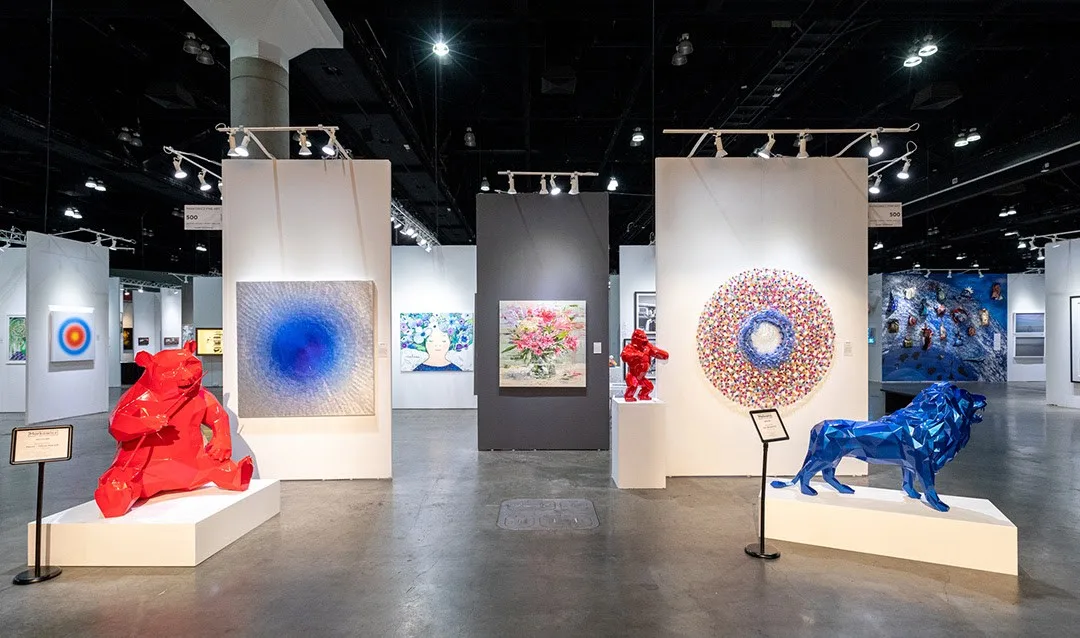
- In-Person Inspection: Experiencing the physical scale of a sculpture, the tactile impasto of a painting, and how materials interact with natural gallery lighting.
- Provenance and Market Security: Acquiring works through a reputable gallery provides documented provenance, transparent valuation, and institutional credibility that a solo social media profile simply cannot offer.
4. Escaping Artist Burnout Through Gallery Representation
Scaling a direct-to-consumer art business is a full-time logistical operation. Independent artists who managed their own sales soon realized they were spending up to 70% of their week acting as digital marketers, customer service agents, custom crate shippers, fine art insurers, and bookkeepers.
Partnering with an established gallery restores the vital division of labor that allows artists to thrive:
- The artist focuses on creation: Dedicating uninterrupted studio time to producing museum-caliber work.
- The gallery drives market growth: Managing private client relationships, international shipping logistics, exhibition curation, PR, and long-term career positioning.
5. Curation and Authority in an AI-Saturated Market
On social media, every creator occupies the exact same digital real estate. A master sculptor with decades of technical rigor sits right next to an amateur hobbyist or an AI-generated image. In an oversaturated digital feed, fine art collectors increasingly suffer from decision fatigue.
Physical galleries act as essential cultural filters. At Markowicz Fine Art, our mission extends far beyond hanging artwork on white walls—we curate a cohesive, internationally recognized roster of contemporary artists, place significant works into prominent private and corporate collections, and connect artists with global collectors across key cultural hubs. A respected gallery validates an artist’s market value and protects their pricing structure over time.
The Gallery Paradox: Why Some Close While Others Thrive
Of course, returning to galleries does not mean returning to the outdated models of the past. While rising overhead and exhausting art fair schedules have forced many passive, traditional galleries to close, a new generation of agile, experience-driven galleries is thriving by focusing on smart real estate agility, bespoke art advisory, and genuine collector relationships.
Read more on how the gallery model is evolving: The Great Gallery Shakeout: Why Traditional Art Galleries Are Closing—And What Makes Modern Galleries Thrive.
Frequently Asked Questions About Art Galleries and Social Media
Can artists still sell art on Instagram without a gallery?
Yes, artists can sell lower-priced works, prints, and commissions directly on Instagram. However, to reach high-level fine art collectors, command higher price points, and build long-term secondary market value, art gallery representation remains essential.
Why do art collectors prefer buying from contemporary art galleries?
Collectors rely on galleries for expert curation, verified authenticity, provenance, installation services, and the ability to view the scale, texture, and true colors of an artwork in person before investing.
Conclusion: The Hybrid Future of the Contemporary Art World
The return to galleries is not a step backward—it is the rise of a smarter, hybrid model. Today’s most successful contemporary artists use social media for what it does best: sharing behind-the-scenes studio process, building community, and maintaining global visibility.
However, when it comes to building an artistic legacy, commanding serious market value, and connecting with dedicated collectors, nothing replaces the physical space, human expertise, and curatorial authority of a premier fine art gallery.
Experience Contemporary Art Beyond the Screen
Discover our curated roster of international painters, sculptors, and mixed-media artists, or visit our physical gallery spaces in Miami and Laguna Niguel. Explore current exhibitions and available works at MarkowiczFineArt.com.