
June 21, 2011 – November 21, 2011
Lo Stato dell’Arte: Padiglione Italia – Veneto
Annalù at Villa Contarini for the 54th Venice Biennale
Villa Contarini, Piazzola sul Brenta, Padua, Italy
Lo Stato dell’Arte: Padiglione Italia – Veneto assembled 63 artists at Villa Contarini in Piazzola sul Brenta as part of the regional program connected to the Italian Pavilion of the 54th Venice Biennale. Open from June 21 through November 21, 2011, the exhibition examined a decade of artistic production in Veneto through painting, sculpture, ceramics, photography, graphics, design and video art.
Annalù’s inclusion placed her developing research into resin, paper, roots and translucent materials within a broad cross-generational survey. Rather than proposing a single regional style, the project brought together different ways of understanding what contemporary art in Veneto had become between 2001 and 2011.
A Regional Pavilion Beyond Venice
The 2011 Italian Pavilion expanded beyond its principal exhibition space through a network of regional presentations created in connection with the 150th anniversary of Italian unification. The Veneto project occupied Villa Contarini, a historic architectural complex in Piazzola sul Brenta outside Padua.
Sixty-three artists were represented inside the villa and in the surrounding grounds. The exhibition was structured across painting, sculpture, ceramics, photography, graphics, design and video art, using the decade between 2001 and 2011 as its field of observation.
This format produced a deliberately broad picture. Established figures appeared alongside artists from younger generations, while traditional media shared the same institutional framework with photography, moving image and design.
Developed under Vittorio Sgarbi’s direction for the Italian Pavilion and its regional network, the exhibition functioned as a survey rather than a tightly unified thematic show. Villa Contarini became the place where different approaches to material, image and object could be considered as evidence of a changing regional art scene.
Annalù and the Material Language of Transition
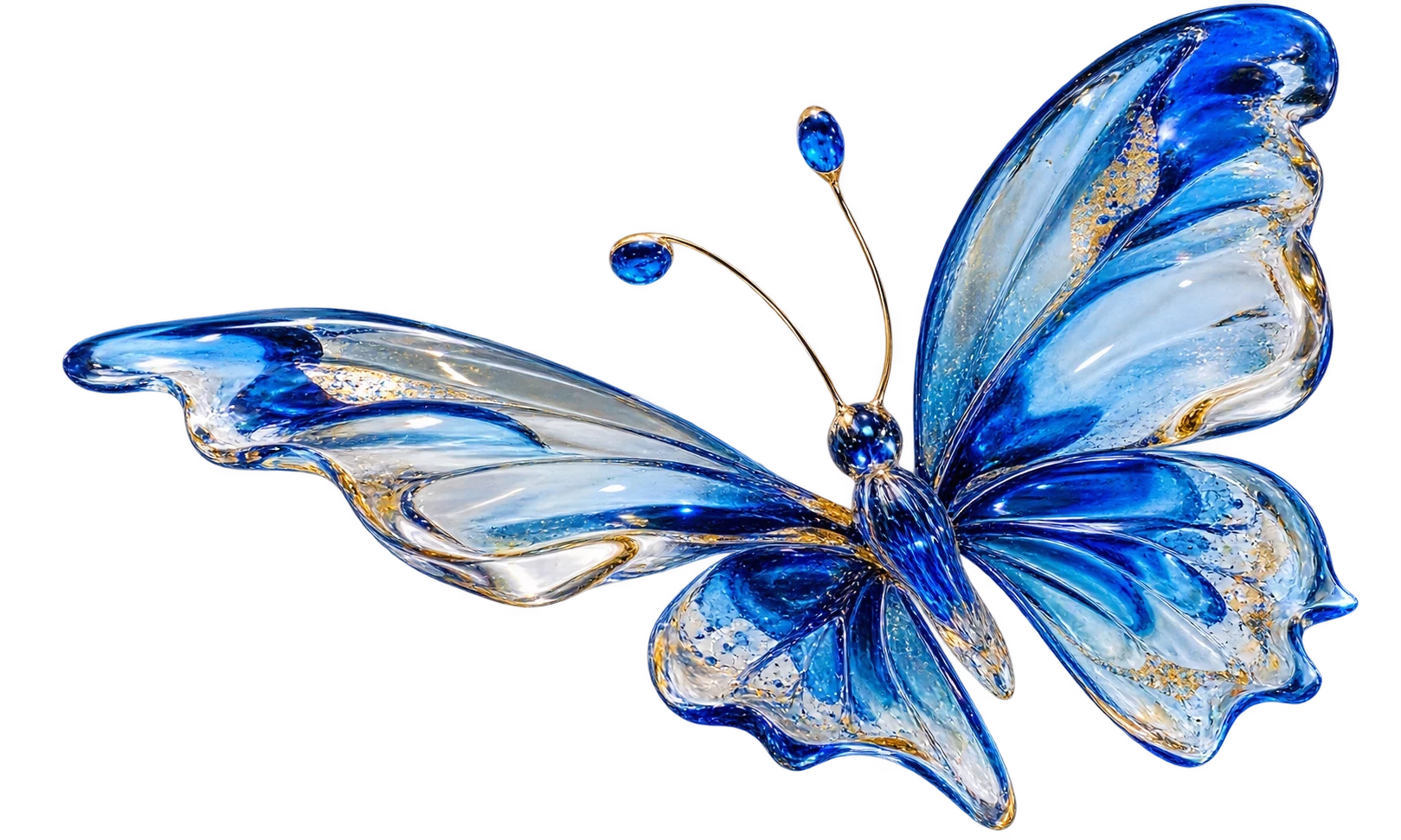
By 2011, Annalù had already developed a practice in which paper, roots, fibers, inks and synthetic materials were made to occupy uncertain physical states. Solid objects could suggest liquid movement, while fragile natural components were preserved within fiberglass or resin.
That approach distinguished her work from sculpture based primarily on mass or permanence. Annalù treated construction as a way of suspending transformation, holding materials at the point where they seemed to be changing from one condition into another.
Within the wide-ranging Veneto survey, this language connected sculpture to processes more often associated with water, growth and organic change. Transparency allowed interior structure to remain visible, while repeated natural forms created surfaces that appeared to expand beyond a fixed outline.
The invitation also returned Annalù’s work to a Biennale-connected context ten years after her participation in MARKERS: Art & Poetry in Venice. The two moments were materially distinct. In 2001, her contribution took the form of a printed banner within a public street project; in 2011, her evolving sculptural research entered a regional institutional survey at Villa Contarini.
Together, the two presentations trace an important decade in her development, from experiments in paper, image and suspended installation toward the resin-based vocabulary of material metamorphosis that would later become central to her work.
Related artists