Secondary Market
Robert Indiana
American, 1928–2018
American artist who turned short words, numbers and hard-edged signs into emotionally charged emblems of identity, memory and national culture.
Biography
Robert Indiana was born Robert Clark in New Castle, Indiana, in 1928. His childhood involved frequent moves across the state, an experience that gave roads, numbers and place names lasting importance in his art. After military service and study at the School of the Art Institute of Chicago, he traveled to Europe and then settled in New York in the mid-1950s.
Indiana lived at Coenties Slip in Lower Manhattan among artists including Ellsworth Kelly, Agnes Martin and James Rosenquist. The industrial waterfront provided salvaged wood, metal wheels and stenciled shipping marks that entered his early assemblages. These materials linked personal memory with the functional graphics of commerce and transport.
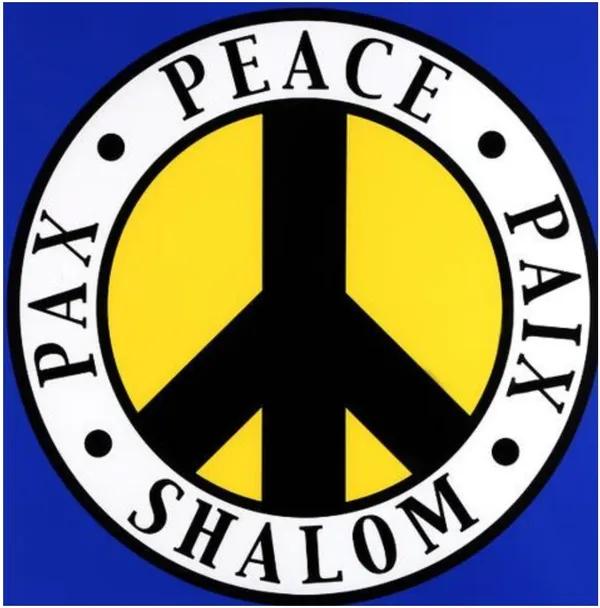
By the early 1960s, language had become his primary subject. Short words such as EAT, DIE, HUG, LOVE and later HOPE were organized through bold geometry and high-contrast color. Their clarity resembles signage, but Indiana loaded each word with layered associations. Numbers referred to highways, addresses, dates and stages of life; stars and polygons connected vernacular design with American identity.
LOVE, first developed in the 1960s, became one of the most widely recognized images of the twentieth century. Its popularity often obscured the complexity of Indiana’s wider practice, which addressed race, politics, literature, religion and the uneven promises of American life. He also created important works related to Walt Whitman, the civil rights movement and presidential campaigns.
In 1978 Indiana moved to the island of Vinalhaven, Maine, where he lived and worked for the rest of his life. Distance from New York allowed him to deepen the autobiographical and historical aspects of his art. Across painting, sculpture and printmaking, Indiana used the visual authority of the sign to communicate feelings that were rarely simple. His work remains direct enough to enter public memory and complex enough to resist being reduced to a logo.