
Secondary Market
Bambi
British, Active since c. 2010
Anonymous London street artist using stenciled portraits and public murals to address gender, power, celebrity, climate and social responsibility.
Biography
Bambi is the working name of an anonymous British street artist based in London. Her practice became visible around 2010 through stenciled images installed across North and Central London. The name is linked in published accounts to the childhood nickname “Bambino,” but the artist has continued to protect her personal identity, keeping attention on the public function of the work rather than on biography.
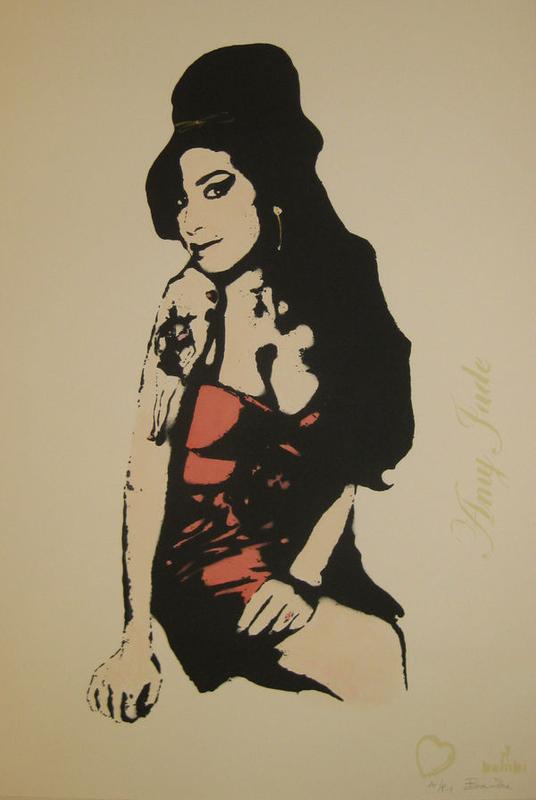
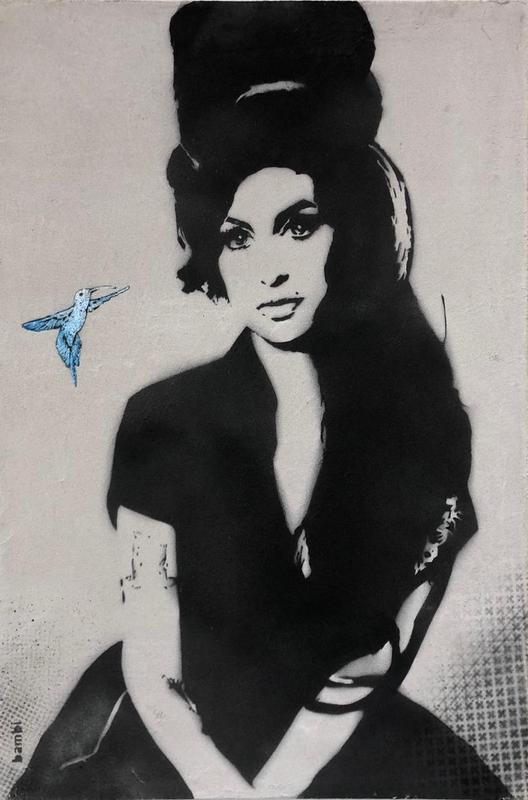
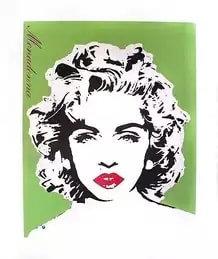
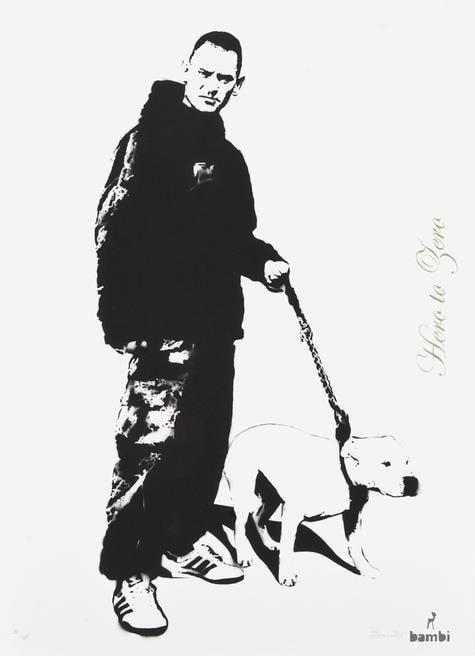
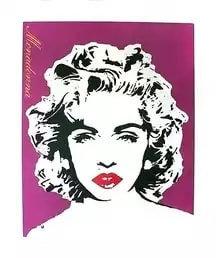
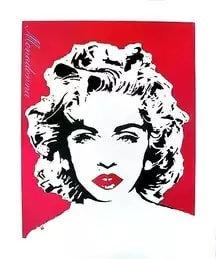
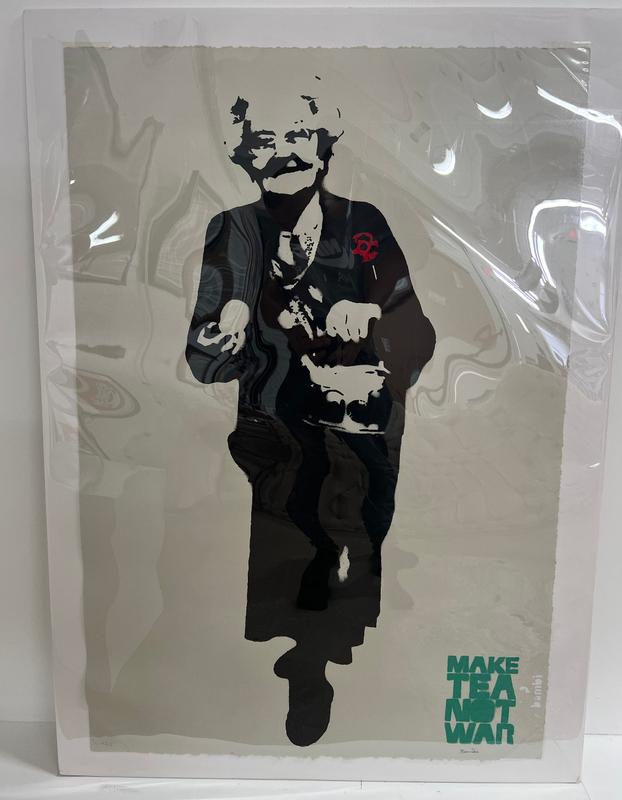
Stencil, aerosol and hand-finished detail allow Bambi to build images that are both immediate and layered. Public figures from music, politics, activism and popular culture appear frequently, yet their familiarity is rarely an end in itself. The chosen face becomes a way to examine celebrity, gender, authority, media narratives or collective memory. Tributes to figures such as Amy Winehouse coexist with satirical treatments of political leaders and works responding to environmental urgency.
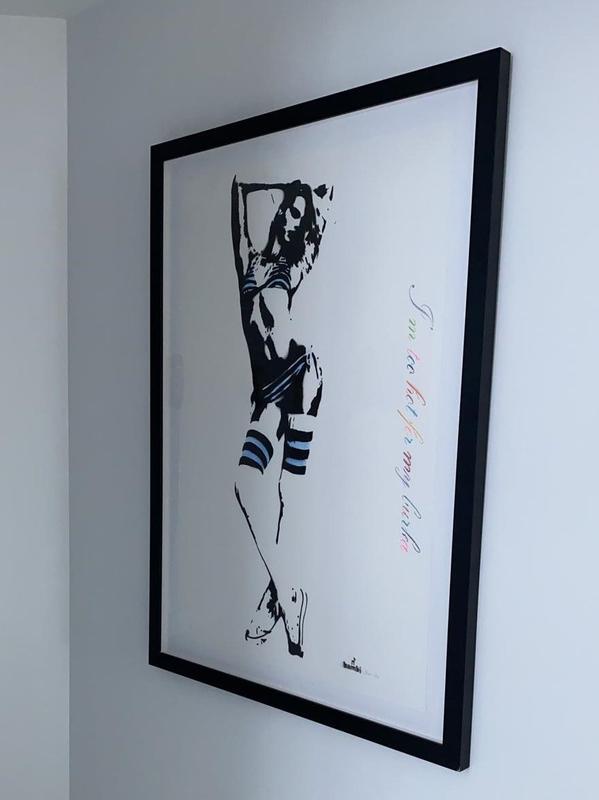
A feminist perspective runs through much of Bambi’s production. Women are shown not simply as icons but as subjects negotiating power, visibility and cultural expectation. The accessibility of the imagery helps these themes reach viewers who may encounter the work while walking through a neighborhood rather than seeking out an art exhibition. That setting also leaves the murals open to weather, alteration, removal and public debate.
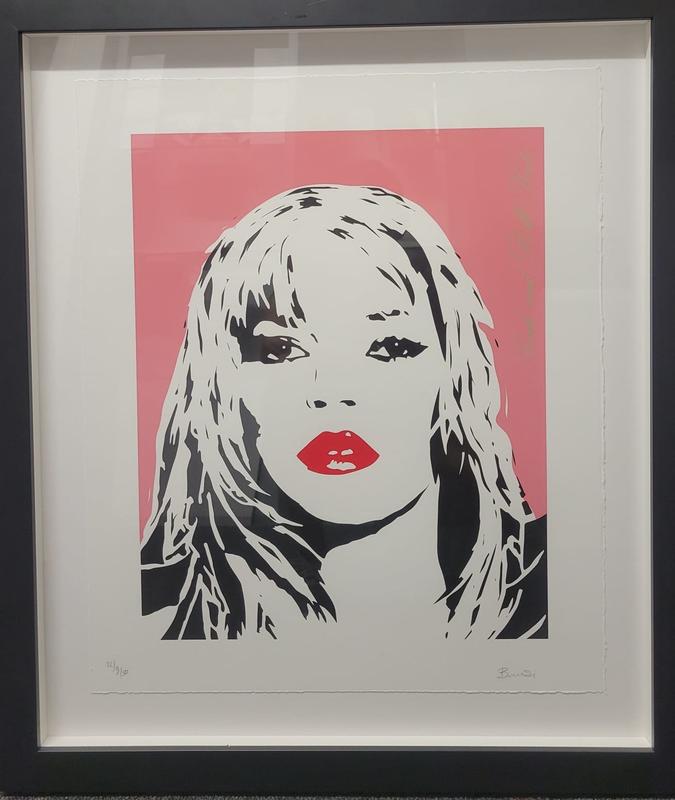
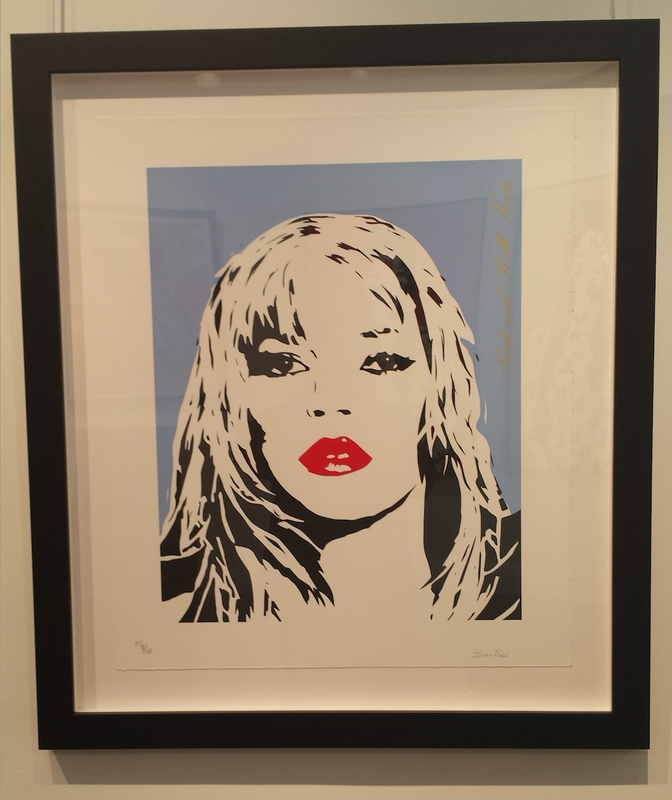
Bambi’s studio works and editions translate the language of the street into more durable formats. Layered spray paint, stencil marks, drips and areas of hand painting preserve a sense of immediacy, while changes in scale and surface allow familiar motifs to be reconsidered away from their original sites. Her practice therefore moves between two conditions: the temporary, contested life of a public mural and the collected object that carries traces of that visual language indoors.
The continued anonymity of Bambi has often led to reductive comparisons with other unidentified street artists. Her work is more usefully understood through its consistent attention to female agency, social responsibility and the persuasive force of popular imagery. By placing those concerns in public view, she treats the city not as a neutral background but as an active participant in the meaning of the work.
Exhibitions & art fairs
Galleries
- Summer SaleMFA · Jul 2025 – Sep 2025