
Secondary Market
Bert Stern
American, 1929–2013
American photographer whose inventive advertising, fashion and celebrity images helped define the polished yet intimate visual culture of the 1950s and 1960s.
Biography
Bert Stern was born in Brooklyn in 1929. He entered publishing through the mailroom at Look magazine and later worked as an art director, experiences that taught him how photographs operate within pages, campaigns and public memory. After military service, he established himself in advertising during the 1950s, a period when commercial photography was becoming more conceptually ambitious.
Stern’s breakthrough images often depended on radical simplicity. Rather than surrounding a product with explanatory detail, he used scale, color and unexpected association to create a single persuasive idea. His advertising work helped establish a cleaner, more cinematic visual language, while his editorial photographs brought the same formal control to fashion and portraiture.
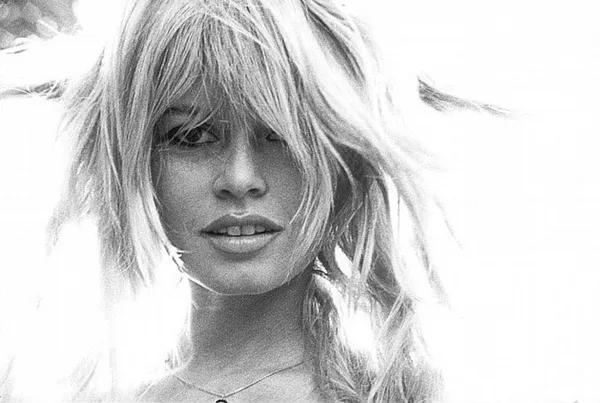
Celebrity became a central subject, but Stern rarely treated fame as a fixed mask. He photographed actors, musicians and models with a mixture of glamour and informality, often allowing gesture, movement or humor to interrupt the official image. His subjects included Audrey Hepburn, Elizabeth Taylor, Sophia Loren, Twiggy, Louis Armstrong and many other figures who shaped postwar culture.
In 1962, Stern photographed Marilyn Monroe for Vogue during a series of sessions at the Bel-Air Hotel in Los Angeles. The resulting body of work, later known as The Last Sitting, ranges from playful and highly styled images to unusually direct portraits. Monroe’s markings on contact sheets became part of the archive, making selection, performance and mortality inseparable from the photographs’ later meaning.
Stern also directed Jazz on a Summer’s Day, filmed at the 1958 Newport Jazz Festival. Its attention to performers, spectators, light and atmosphere brought a photographer’s eye to documentary cinema and helped redefine the concert film.
Across advertising, editorial work, film and celebrity portraiture, Stern combined visual sophistication with an instinct for immediacy. His photographs belong to the polished culture they helped create, yet the strongest of them also reveal the unstable human presence beneath that polish.